Politics & Government
Proposed Tax Elimination Could Hurt Dearborn Libraries, City Revenue
The Michigan Legislature is poised to take up legislation to eliminate personal property tax on Wednesday.
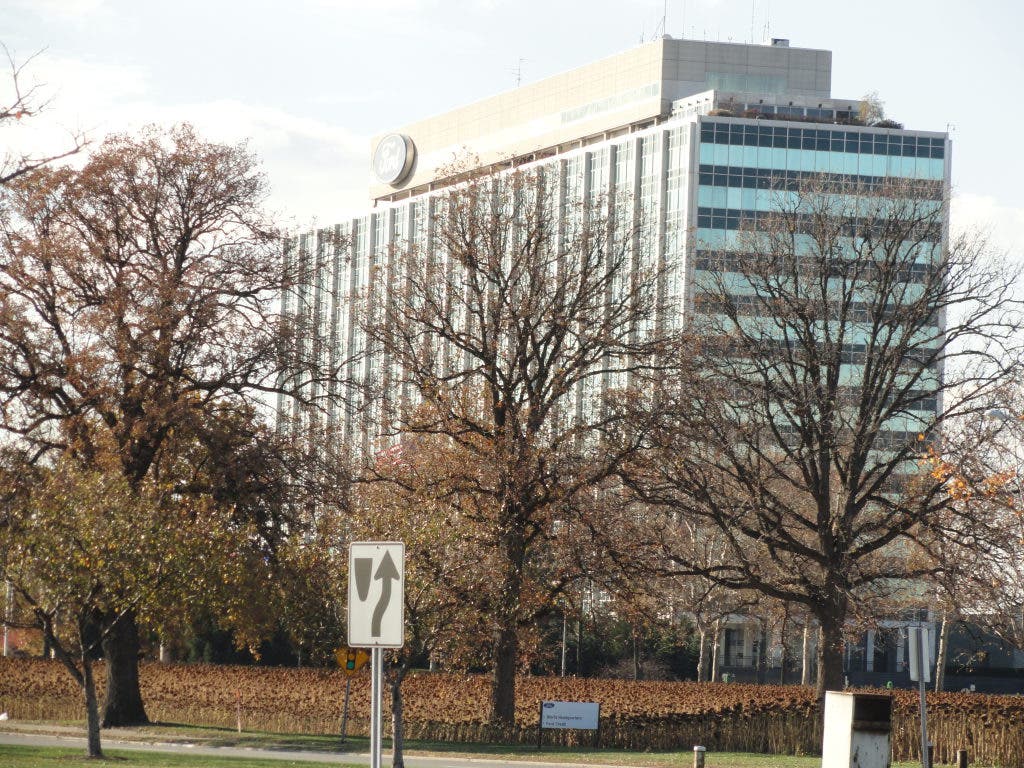
A package of bills pending in the Michigan Legislature that will pare about $600 million in tax dollars paid by businesses that benefit municipal entities could result in big cuts within the City of Dearborn if there is no mechanism put into place for revenue recovery.
The legislation—which would eliminate the tax businesses pay on equipment—is gaining favor as a way to stimulate the state economy, but for local governments, the potential loss of yet another revenue source is a daunting one. If passed, they would work in a phased-out approach, with Dearborn's revenue losses beginning in 2015.
It's expected that the bills will be taken up by the state Senate as early as Wednesday, according to Dearborn Sen. Morris Hood.
Find out what's happening in Dearbornwith free, real-time updates from Patch.
What does Dearborn stand to lose?
Based on the city’s total taxable value, Dearborn would lose $12.9 million in operating revenue and $492,274 in city facility debt service, for a total of $13.4 million in losses. If the federally mandated combined sewage overflow debt service is added, the total would rise to $17 million.
Find out what's happening in Dearbornwith free, real-time updates from Patch.
Additionally, Dearborn Public Schools could lose upwards of $2.5 million.
One of the areas that could be heavily impacted is the Dearborn Public Library system, which would lose up to $780,000 in revenues from its dedicated 1-mill if the proposal is approved in the lame duck session, according to the Dearborn City Assessor’s office.
The mill now generates around $3.4 million in revenue for the system, which has a $5.45 million annual budget.
Library Director Maryanne Bartles said the funds could trigger the closing of one, or possibly both, of the satellite branches.
“It would be a tremendous hit,” she said. “I’m not ready to concede that, if it comes to pass, there won’t be replacement revenue. But it’s a lot of money and there’s no other place to cut, so it would likely mean that we’d have to look at closures. But it’s not something we want to do.”
Cautious optimism about revenue replacement
As the bill is written, there is potential for revenue replacement if personal property tax is done away with.
Rep. George Darany (D-Dearborn) explained that revenue replacement would happen through a complex reimbursement mechanism that would be set up by the state.
"It depends on who you believe, but we think there could be 80 percent of revenue replacement over time," he said. "But I don't think there's any way that this package of bills will move through both chambers with 100 percent revenue (replacement)."
Dearborn Mayor Jack O'Reilly said Tuesday night that he's cautiously pleased to hear that options for revenue replacement are a part of the package at this time.
"Compared to where we’ve been … if the replacement of things work the way they’re intended to, it’s not going to be a huge impact," he said.
However, O'Reilly thinks the bill needs more work to hash out exactly how that revenue replacement will happen.
"In a perfect world, they know (the legislation) is not ready," he said. "The best case would be to wait and do personal property in the next session, but I don’t think that’s going to happen."
Dearborn will have three years to sort out replacing the revenue.
Bartles said that it’s likely, if the funding losses are significant, there could be time to identify solutions at the local level because the impact of the change will not felt immediately.
“Dearborn has a history of having branch library system; it’s something the public is used to,” she said. “I’ve been doing this for 40 years, and in that time we’ve had ups and downs. But I’ve never seen something like this.”